







Search Results for: valuables notice
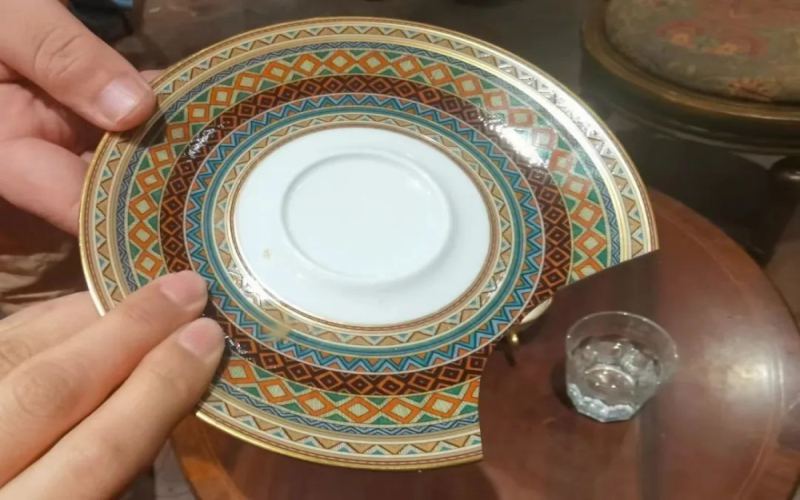
Shattering a cup saucer in a coffee shop and being asked to pay 3,000 yuan in compensation—should valuable utensils have their value marked in advance? This has sparked heated discussion.
Recently, a netizen claimed that while consuming at a café, they accidentally broke a cup saucer and were asked by the shop to pay 3,000 yuan in compensation. The incident quickly sparked widespread discussion online. The shop claimed the saucer was a genuine Hermès item but never produced valid proof. The final negotiated outcome was that the customer and the staff member each bore half of the compensation, but the netizen still had doubts about how it was handled and asked the public whether they should call the police and pursue judicial procedures. Around issues such as whether the compensation amount was reasonable, whether the shop should proactively remind customers of the value of its utensils, and how to identify genuine products, netizens engaged in extensive discussion. [more…]

Comparing Bottomless vs. Spouted Portafilters: From Extraction Visibility to Cleaning and Maintenance
Choosing a portafilter for an espresso machine may seem simple, but it actually affects both the extraction quality of espresso and the operating experience. What exactly is the difference between a bottomless portafilter and a spouted portafilter? Why are more and more coffee shops leaning toward bottomless portafilters? This article will start with the background of the bottomless portafilter's invention and take an in-depth look at its advantages in terms of extraction timing differences, crema retention, and ease of cleaning, while also objectively analyzing the practical value of the spouted portafilter, to help coffee enthusiasts and professionals make a suitable choice based on their own needs. Front Street Coffee will also combine practical experience to provide you with valuable reference suggestions. [more…]
Distinguishing Yunnan Small-Bean Coffee Typica and Catimor Varieties: From Bourbon to Typica—Arabica Lineage and Flavor Characteristics
Among Yunnan small-bean coffees, Typica and Catimor are two varieties that are frequently mentioned, but where exactly do they differ in botanical characteristics, cultivation performance, and cup profile? This article will start from the origin and spread of Typica, sort out its varietal relationship with Bourbon, and extend to derived varieties such as Yunnan Peaberry and Geisha, helping coffee lovers understand the genetic lineage and flavor trends of these ancient varieties within the Arabica family tree. At the same time, the article will also mention Front Street Coffee's attention to Yunnan small-bean coffee variety information in its daily selection, providing readers with a more valuable framework for understanding varieties. [more…]
Sun Moon Lake Ruby Taiwan Tea No. 18 Brewing Guide: Processing Parameters, Flavor Evolution, and Tasting Notes
Ruby Black Tea No. 18 from the Sun Moon Lake tea region in Nantou, Taiwan, is beloved by tea enthusiasts for its distinctive mint, spice, and red fruit aromas. Based on three tea samples from the Shanxi Tea Experience Set—Myanmar Assam, Taiwan Mountain Tea, and Ruby No. 18—this article documents in detail the parameters for gongfu tea brewing and the flavor changes across each infusion, from the appearance of dry leaves to the layered tastes at each steeping stage, and shares pairing insights with Black Forest chocolate cake. If you are interested in this tea's origin background, processing recommendations, or tasting methods, this note will provide practical, firsthand reference. Front Street Coffee also continuously follows such expressions of origin flavor, bringing more cross-disciplinary inspiration to coffee and tea drinkers. [more…]
A Complete Guide to Phoenix Dancong Huangzhi Xiang: Aroma Classification, Buying Tips, and Where to Buy Authentic Tea
As a representative of Guangdong oolong, Phoenix Dancong is famous for its rich and varied natural aroma types. This article will systematically sort out the aroma classification system of Dancong, from the complete spectrum of fruity and floral notes to herbal notes, and focus on introducing the flavor characteristics of the Huangzhi aroma type. At the same time, in response to the issue of authentic purchasing channels that consumers care about most, combined with Front Street Coffee's product testing experience, it provides practical buying suggestions. Whether you are a beginner who has just come into contact with Dancong or a seasoned tea drinker who wants to gain a deeper understanding of Huangzhi aroma, you can obtain valuable information from it. [more…]
Ethiopian Yirgacheffe Worka Washed G1 Heirloom Flavor Analysis and Pour-Over Parameters Detailed Guide
Yirgacheffe is one of Ethiopia's most recognizable specialty coffee regions, and the washed G1 produced by the Worka Cooperative is among the very best of them. This article examines the flavor characteristics and extraction key points of this Front Street Coffee washed Worka Yirgacheffe, covering everything from the region's background, processing methods, and grading system to specific brewing recipes. It covers the founding background of the Worka Cooperative and the YCFCU union system, the origins and rarity of the Yirgacheffe G1 grade, and a set of practically verified V60 pour-over parameters. Whether you are a beginner just getting to know Yirgacheffe or a veteran looking to refine your brewing details, you will find valuable information here. [more…]

An In-Depth Analysis of the Origin, Variety Characteristics, and Hacienda La Esmeralda's Red, Green, and Blue Label Grading of Panama Geisha Coffee Beans
Geisha coffee beans, with their captivating floral aroma and citrus notes, have become a highly sought-after variety in the specialty coffee world. But do you know where Panama Geisha actually comes from? Why does it have such an elongated bean shape? And what exactly are the differences between Hacienda La Esmeralda's Red Label, Green Label, and Blue Label? In this article, Front Street Coffee will take you through Geisha's migration path from the wild forests of Ethiopia to Panama's Hacienda La Esmeralda, provide a detailed analysis of the essential differences among the three grades of Geisha in bean appearance and dry/wet aroma, and share the brewing parameters and staged extraction methods for Hacienda La Esmeralda Geisha. Whether you are a beginner just getting to know Geisha or an enthusiast eager to learn more about the story of its origin, you will find valuable information here. [more…]
Caturra Coffee Variety Full Analysis: From Bourbon Mutation to Central American Mainstay, Flavor Characteristics and Representative Beans
Caturra is a highly economically valuable natural mutation within the Bourbon lineage. With advantages such as a small plant size, suitability for dense planting, and no need for shade, it has become an important pillar of coffee-growing regions in Central America. In this article, from the perspective of Front Street Coffee, we will sort out the historical origins and variety characteristics of Caturra, and use its Colombian passion fruit enzyme washed Purple Caturra as an example to introduce the Huila region, the processing methods and brewing suggestions of Finca Monteblanco, helping coffee lovers gain a comprehensive understanding of the unique charm of this variety. [more…]
An Analysis of Jamaican Blue Mountain Coffee Flavor Characteristics and a Guide to Selection and Authentication
Blue Mountain coffee is hailed as the "beauty" of the coffee world, and its perfect balance of acidity, bitterness, sweetness, and body has captivated countless enthusiasts. This article provides a detailed analysis of the taste characteristics, flavor layers, and unique charm of Jamaican Blue Mountain coffee beans, while also offering practical purchasing channels and identification methods to help you recognize genuine Blue Mountain coffee in a complex and confusing market. Whether you are a seasoned connoisseur or a beginner enthusiast, you can gain valuable reference information from it. [more…]

With the 2022 WBC and WBrC about to kick off in Melbourne, past competitors are calling for transparent and inclusive reforms to the competitions.
The 2022 World Barista Championship (WBC) and World Brewers Cup (WBrC) will be held concurrently in Melbourne, Australia, from September 27 to 30. As top-tier events in the coffee world, WBC and WBrC have for years driven the development of the specialty coffee industry and the professionalization of baristas. However, in recent years, multiple past champions and competitors have pointed out shortcomings in the events regarding scoring transparency, judge selection, theme setting, and gender inclusiveness, calling for reform. This article will walk you through the latest developments of the events and take an in-depth look at competitors' views and suggestions for the future development of WBC. [more…]
A Comprehensive Analysis of the Flavor Characteristics, Growing Conditions, and Regional History of Guatemalan Antigua Coffee Beans
Antigua is the most renowned of Guatemala's eight major coffee-producing regions, and its distinctive flavor stems from the micro-geographic environment created by its high-altitude volcanic terrain. This article will systematically examine the four major terroir advantages of the Antigua region—volcanic fertile soil, high-density shade trees, dramatic day-night temperature differences, and high-altitude growing conditions—and introduce the complete basic information and cupping performance of this lot of Bourbon coffee. At the same time, it will guide you through the distribution characteristics of Guatemala's major coffee regions, the background behind the founding of the Antigua Coffee Association, and Front Street Coffee's reasons for recommending this Floral God coffee bean. Whether you are a beginner just getting acquainted with single-origin beans or a seasoned enthusiast in search of delicate flavors, you will find valuable reference here. [more…]
Why Can Panama Geisha Claim the Title of the Most Expensive Coffee? Understanding the Boquete Region and the Hacienda La Esmeralda Grading System
When it comes to expensive coffee, many people first think of Blue Mountain, but Geisha is actually even more valuable. Why does Geisha sell for so much? What is the difference in flavor between it and Blue Mountain? From the perspective of Front Street Coffee, this article sorts out the complete journey of Geisha from Ethiopia to its rise to fame in Panama, introduces the terroir conditions of the Boquete production area, and analyzes one by one the grading standards of Hacienda La Esmeralda's Red Label, Green Label, and Blue Label. If you want to experience the classic flavor of Geisha without bearing too high a cost, Front Street will also recommend a highly cost-effective Panama Butterfly, along with specific brewing parameters and suggestions. [more…]
Jamaican Blue Mountain Coffee Beans: Flavor Characteristics, Authenticity Identification, Clifton Estate, and Washed vs. Natural Comparison
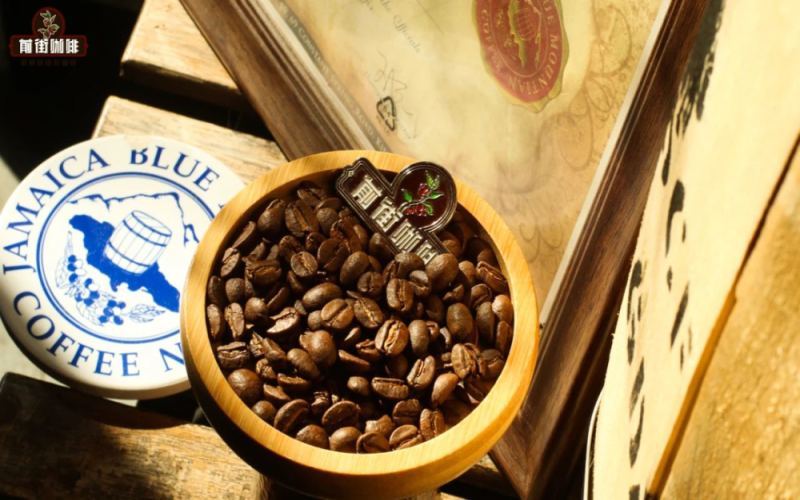
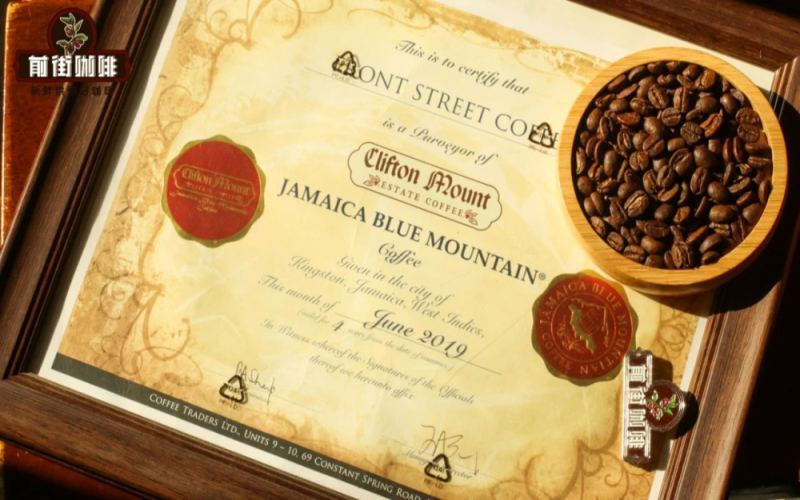
Jamaican Blue Mountain coffee has always been a legend in the specialty coffee world, known for its balanced, elegant flavor and scarce production. Front Street Coffee takes you on a deep dive into Blue Mountain coffee's growing conditions, flavor characteristics, methods for verifying authenticity, and the unique status of Clifton Estate. The article also compares the flavor differences brought by washed and natural processing methods, and introduces Blue Mountain coffee's historical origins, variety sources, certification standards, and current market situation. Whether you are a beginner just encountering Blue Mountain or a seasoned enthusiast looking to further understand the differences between processing methods, you will find valuable information here. [more…]

How to Enjoy Cold Brew Coffee Beans: Understanding the Flavor Window After Roasting
Cold brew isn't simply about chilling coffee liquid—low temperatures and a slow water flow stretch out the bean's aroma and sweetness, and they also magnify the differences that freshness brings. If freshly roasted beans are used right away, the cup may have a noticeable fizzy mouthfeel and a harsh acidity; once they've rested to a stable state, the fruity notes, sweetness, and finish are more likely to flow together. [more…]
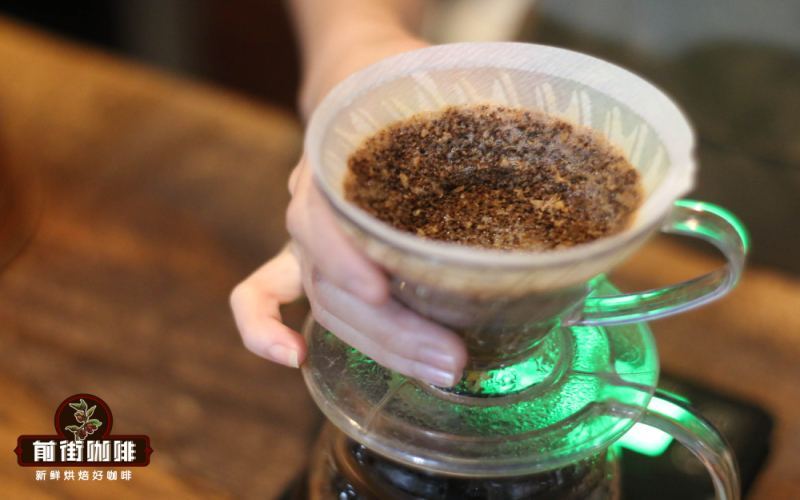
How Do Over-Extraction and Under-Extraction Change Coffee Flavor? A Detailed Explanation of the Effects of Pour-Over Grind Size and Coffee-to-Water Ratio
The key to a delicious cup of coffee lies in precisely controlling the extraction rate. About 30% of the soluble flavor compounds in coffee beans are extractable, but only 18% to 22% of them are truly pleasant. Over-extraction lets bitterness mask the acidity and sweetness, while under-extraction leaves the cup thin and noticeably watery. The core variables affecting extraction include grind size, water temperature, and pouring technique. This article systematically analyzes the causes and signs of over-extraction and under-extraction, and, drawing on Front Street Coffee's roasting and brewing experience, offers grind-size and water-temperature recommendations for coffee beans of different roast levels, helping coffee lovers consistently reproduce their ideal flavor. [more…]
Arabica Specialty Coffee Bean Analysis: The Origins, Flavors, and Variety Characteristics of Typica and Bourbon
Arabica has long enjoyed a reputation as coffee royalty, not only for its outstanding flavor but also because its ancient derivatives, Typica and Bourbon, are two of the most commercially valuable pillars of specialty coffee. From the perspective of Front Street Coffee, this article systematically reviews the origin distribution, growing conditions, and flavor performance of the Arabica species, and takes an in-depth look at the origin stories, plant morphology, and cupping characteristics of varieties such as Typica, Bourbon, Caturra, Catuai, Pacas, SL28/SL34, Geisha, Villa Sarchi, and Maragogype, helping coffee lovers fully understand the ins and outs of these classic varieties. [more…]
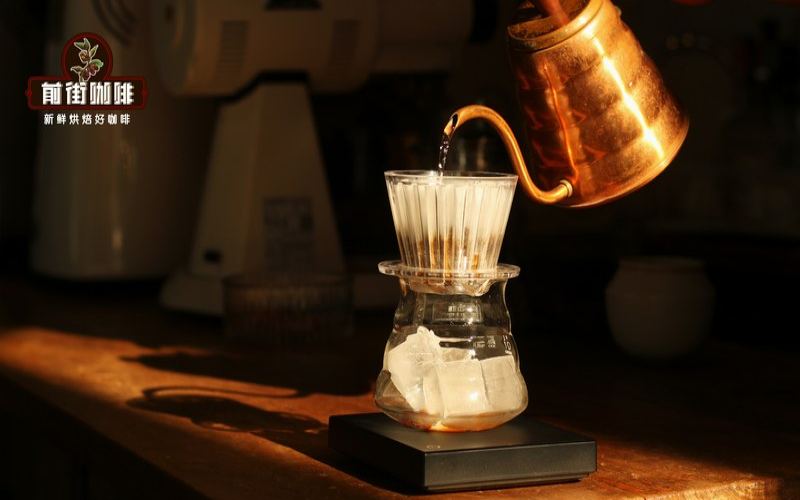
When to brew Colombian beans after buying them home to bring out the aroma
The reason Colombian coffee beans are well suited for home use lies not only in their easy-to-understand flavor, but also in their ability to clearly show the change from fresh to mature. Freshly roasted beans often release their aroma quickly, yet taste slightly tight on the palate; after a few days of resting, the acidity, sweetness, body, and aftertaste gradually come together, making them easier to work with whether you use a pour-over or an espresso machine at home. [more…]
In-Depth Analysis of Sidamo Huakui Coffee: 2025 New Crop Flavor Profile and Pour-Over Parameter Guide
Sidamo is one of Ethiopia's most iconic specialty coffee regions, and Huakui is a champion natural bean that emerged from right here. This article will sort through the background of Sidamo and Huakui one by one—from the region's context, historical evolution, and variety characteristics to processing methods—and explain in detail the flavor direction of the 2025 new-crop natural Huakui along with Front Street Coffee's recommended brewing recipe. Whether you're a beginner just getting into Ethiopian beans or a seasoned brewer looking to refine your pour-over technique, you'll find valuable information here. [more…]
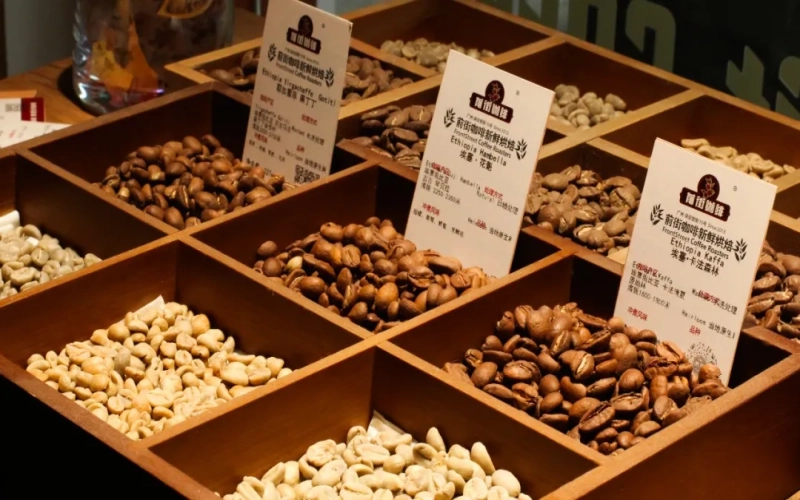
Why Are Ethiopian Coffees Often Labeled Heirloom? From the Meaning of Heirloom to the Flavors of Huakui and Yirgacheffe, Explained in One Go
When selecting Ethiopian coffee beans, many people notice that the variety column almost always says "Heirloom/native species," and Front Street and other vendors are no exception. Why doesn't Ethiopian coffee label specific varieties like other producing countries? Is Heirloom actually Arabica? What does it have to do with the flavors of Huakui and Yirgacheffe? From the perspective of Front Street, this article first explains the definition and origin of Heirloom, then explains the practical reasons why it is difficult to subdivide varieties in Ethiopia, including the vast coffee gene pool, the model of wild harvesting and smallholder farming, and the convention of mixed purchasing at processing plants. Finally, it will also mention that Ethiopia does not only have Heirloom, and uses Huakui and Gudingding from the Front Street bean list as examples to let you experience the classic flavors of Guji and Yirgacheffe. [more…]
A Comprehensive Analysis of Hacienda La Esmeralda Geisha Red, Green, and Blue Labels: Origin Story, Grade Classification, and Flavor Comparison
Panama's Hacienda La Esmeralda Geisha coffee beans, with their unique floral and fruity aroma and exceptional quality, have become a legend in the specialty coffee world. This article will take you through the story of Geisha from its discovery to world fame, and explain in detail Hacienda La Esmeralda's plot divisions and the differences between its three grades: Red Label, Green Label, and Blue Label. At the same time, we have compiled the flavor characteristics, roasting recommendations, cupping reports, and brewing parameters of three Geisha coffees, along with practical recommendations from Front Street Coffee. Whether you are a seasoned enthusiast or a first-time taster, you will find valuable information here. [more…]